Shopping online
 Unboxing: what it is and why it matters in online shopping
Do you know what an unboxing is? Here we explain its translation, meaning, why it influences online purchases, and how to make one.

Sofia Santos 2/9/2026

In September 2022, Shopee announced on social media the closure of its local operations/domestic sales in Mexico to focus on a cross-border model. The associated reasons were cost cutting, macroeconomic uncertainty, and the pursuit of profitability.
The confusion comes from many people interpreting that Shopee left entirely, yet the app remains visible. So it’s worth clarifying that, although it closed its local offices, the marketplace did not disappear completely. What changed was the model under which it operated in Mexico.
With that in mind, in this article we give you broader context on what Shopee’s “closure” in Mexico means, the reasons behind it, and what changed for buyers and sellers.
It means the ecommerce company shut down its offices in the country and stopped domestic sales. But it’s not a total shutdown—you can still take advantage of low Shopee prices; it just operates now under a cross-border scheme.
What’s the difference between local operations and Shopee’s new cross-border model?
Here’s the breakdown:
Closing local operations means Shopee no longer maintains an operational presence in Mexico—especially regarding domestic sales and direct dynamics with Mexican sellers.
What does “Shopee cross-border model Mexico” refer to?
This means that Shopee is still reliable for shopping, but with a greater focus on overseas shipping and under different conditions. Therefore, although the app or website is still available, the experience is no longer the same as when it functioned as a locally operated marketplace.
For buyers, the main change is that delivery times, tracking, and return/refund conditions may vary. Why? Because the experience depends more on the seller, the country of origin, and the type of shipping.
For domestic sellers, the impact was more direct, since Shopee stopped operating in Mexico as a marketplace with local traction.
Simply put, sellers in Mexico can no longer list and sell their products on the platform with the same ease and reach as before. This, of course, affected channel continuity for those who sold from within the country.
These are Shopee’s key milestones in Mexico from its arrival to today:
Shopee arrives in Mexico (2021). Kicks off its local expansion phase, seeking to gain traction in the market.
Shopee Mexico closure 2022. Between September 8 and 9, it confirmed the shutdown of local operations/domestic sales and the shift to a cross-border model.
Shopee app 2026. The app remains on Google Play, but that does not prove the same level of local operation.
Three dates tell most of the story, but we still need to understand the reasons behind the local closure…
The reasons Shopee closed in Mexico are:
Profitability and cost cutting.
Regional uncertainty / global changes.
Shift to a cross-border model (less local structure).
There isn’t a single announcement with all the details on why Shopee closed in Mexico. But 2022 media reports and coverage point to these motives…
According to Reuters, Sea Limited entered a cost-reduction phase to prioritize “core” operations and improve business sustainability.
In that context, the company scaled back its push in Latin America. In markets such as Chile and Colombia, the change pointed to a cross-border model, while in Argentina operations ceased entirely.
Maintaining the Shopee cross-border model in Mexico typically requires less local structure. Consequently, there were reports of significant losses and staff cuts across various group units.
In 2022, the economic environment became tougher for companies making heavy investments to grow. Interest rates rose, financing became more expensive, and consumer spending grew more cautious.
Therefore, companies like Shopee chose to concentrate resources on core operations, as Reuters explained.
Operating as a local marketplace isn’t just keeping an app; it also means investing in operational and commercial structure, including:
In-country teams.
Staff for support and quality control.
Acquisition campaigns.
Promotions and logistics agreements to compete with other players.
In contrast, a cross-border model tends to reduce part of that structure and focuses on facilitating purchases with shipments from abroad.
When Shopee domestic sales in Mexico stopped, the marketplace no longer included local sellers on its website. In other words, it’s no longer an active channel for those who depended on the platform to sell within the country.
Even so, not everything changed overnight. Orders placed before the adjustment continued to be processed, and the Seller Center remained available for a time to manage withdrawals or pending payments.
In general, each case depends on the order status and whether the purchase was domestic or international shipping.
Just follow a few basic steps to review your case and act without hassle:
Log into your account and check “My Orders”: status, date, and order number.
Confirm whether shipping is domestic or international (in the order details).
Save evidence: order screenshots, confirmation emails, conversation with the seller, and proof of payment.
Check the charge in your bank (date, amount, and merchant).
On the other hand, avoid links that promise “Shopee refunds” outside the platform—especially if they ask for passwords, codes, or banking details. If you need support, use channels inside the app/site and avoid intermediaries.
There are several promising Chinese platforms as well as local and international alternatives, for example:
Temu.
Mercado Libre.
The key is to compare factors such as:
Variety: how easy it is to find the product.
Delivery times: whether you need it fast or can wait.
Customs: potential charges or delays depending on the shipping type.
Returns and refunds: how easy it is to resolve an issue.
Reputation: seller reviews and clarity of tracking.
When does each one make sense?
Here’s a rough guide:
Shein: when you’re buying fashion/accessories and want clear sizing/review references.
Temu: when you prioritize price, make small low-risk purchases, and don’t need fast delivery.
AliExpress: when you want a huge variety and can wait for shipping.
Mercado Libre: when you need fast delivery and simpler returns in Mexico.
Amazon: when you want speed, support, and lower friction on exchanges (sometimes with a better final price).
Temu, AliExpress, and Shopee are among the most popular if you’re looking for budget options. But it’s best to choose based on your purchase: urgency, budget, and how easy you want returns to be.
When you buy on international platforms, you must add exchange rate costs and potential fees for paying in another currency.
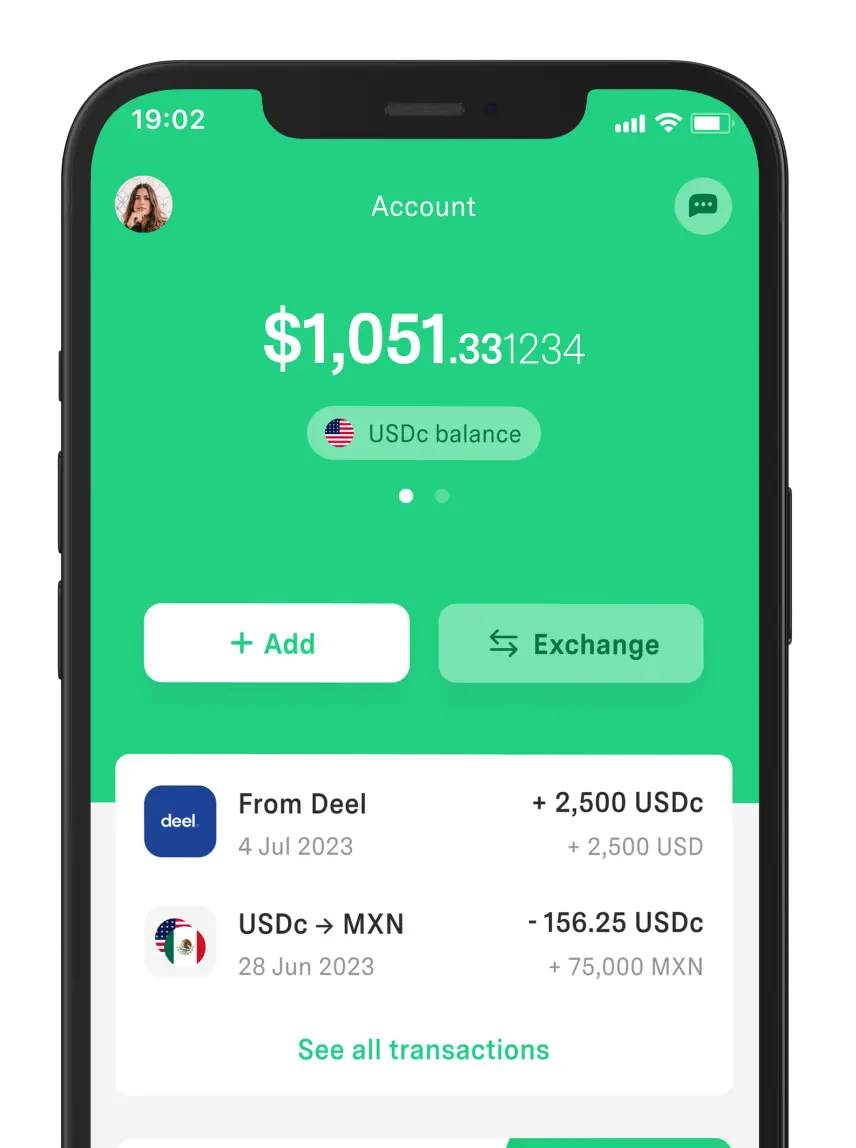
In this case, DolarCard, DolarApp’s card, can be a practical option if you want more control, because it lets you pay with a balance in USDc. That way, you won’t pay extra fees or risk inconvenient conversions.
Shopee “closed” in Mexico in the sense that it ended its local operation and domestic sales, but you can still shop online.
The key is understanding the model change and comparing alternatives based on what matters most to you. Also, if you’re going to buy products online from Mexico, consider paying with an international card to avoid surprises.
Try DolarCard, which works with pesos and digital dollars. All you need to do is keep a positive balance, which is easy if you convert inside the app. We offer a competitive rate for currency conversions.
No. Shopee stopped operating in Mexico as a local marketplace but maintained operations with international shipping. Therefore, Mexicans can continue buying products, depending on product availability for shipment.
The shutdown of local operations and halt of domestic sales in Mexico was reported between September 8 and 9, 2022. On those dates, restructuring in Chile and Colombia was also announced, as well as a full shutdown in Argentina.
Yes—but with international shipping. So check each product to see if it’s available to ship to Mexico, delivery times, and return conditions before paying.
Shopee stopped operating as a showcase for domestic sales in Mexico. This means they ceased to be part of the available offering and no longer appear for domestic purchases on the platform.
Start with the basics: go to “My Orders” and confirm the status (confirmed, in transit, canceled, or delivered). Then save screenshots or other evidence and manage the return or refund through official channels.
Although Shopee and Temu are common alternatives in Mexico, AliExpress, Shein, Mercado Libre, and Amazon are also good options. The key is to compare prices and factors such as shipping time or return policies.
It can be, but take precautions before buying from Mexico. This includes checking seller reputation, confirming timelines and conditions, saving receipts, and using secure payment methods.
Sources:

The world has borders. Your finances don’t have to.
Shopping online Do you know what an unboxing is? Here we explain its translation, meaning, why it influences online purchases, and how to make one.
 Shopping online
 DHgate is a Chinese marketplace that sells at low prices. But is DHgate trustworthy? Here we explain how safe it is and the risks.